
With Gratitude for Our Veterans

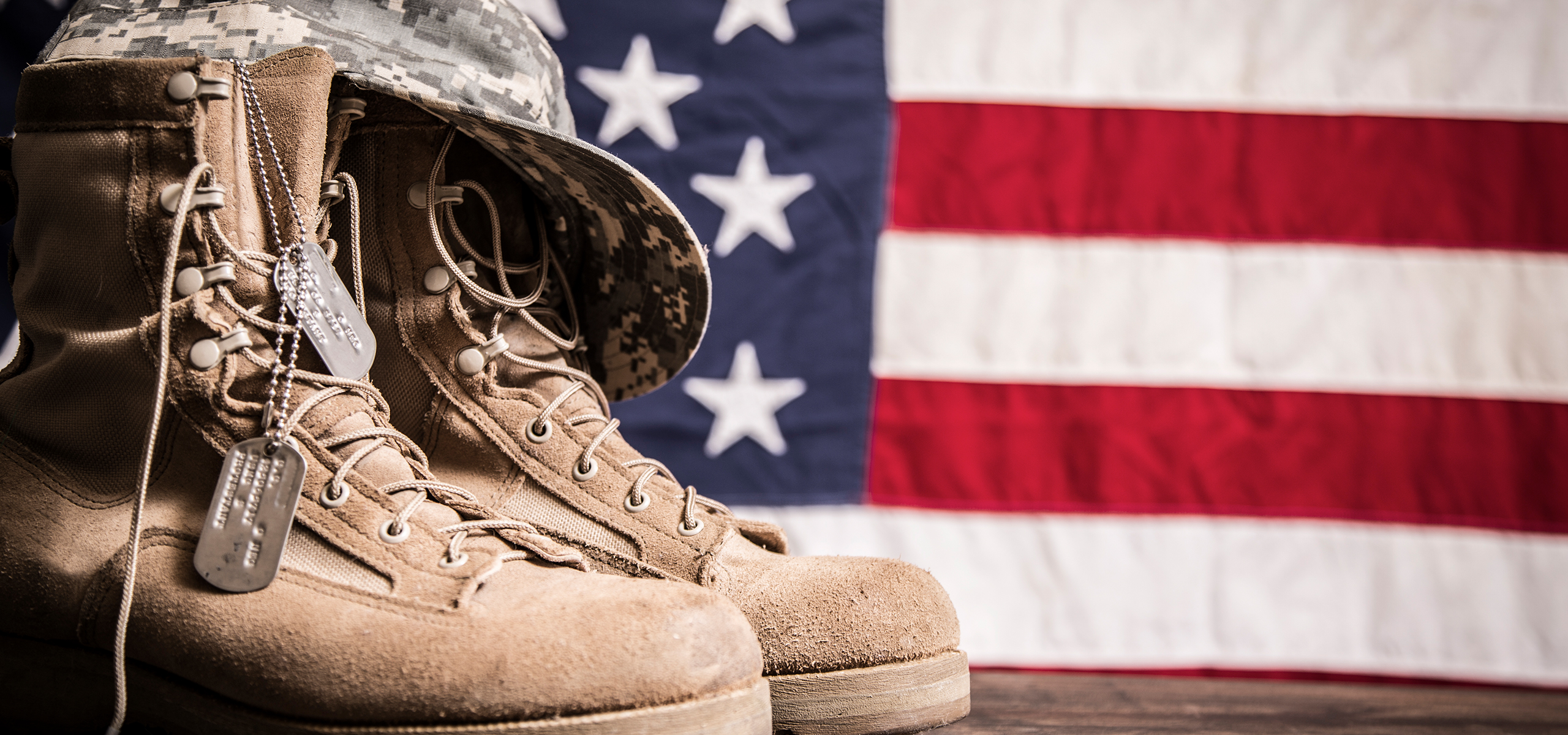
The young corporal, only 19, faced the biggest decision of his life. Surrounded by German soldiers, his commanding officer dead, and suddenly in charge of his unit, he asked himself, “Do we keep fighting or surrender and hopefully live to fight another day?”
He opted for surrender. Soon the enemy captured his unit and marched them off to a prisoner-of-war camp near Munich. Their typical workday consisted of climbing into railroad cars and riding the short distance into the city to fill craters made by Allied bombs.
Every soldier has an obligation to escape if possible, and the young corporal was no exception. As he and his buddies looked for an opportunity, word came that American soldiers were nearby and were expected to move into the area within days. The Germans decided to move the prisoners to a different camp. When the guards were looking the other way, the young corporal and a buddy scrambled under the barracks. In the confusion of moving prisoners quickly out of the camp, nobody noticed them missing. When the coast cleared, the two eased out from under the barracks and escaped in the other direction. Sympathetic German farmers fed and sheltered the pair until they could rejoin an American unit.
That young corporal was my brother Don, who survived his eight-month prisoner-of-war experience during World War II to return home to his family in the United States. His older brother, Johnny, who served with the U.S. Army in the South Pacific, although not a prisoner-of-war, also survived, as did his younger brother. Harold served in the U.S. Navy and hadn’t ventured far beyond the coastal waters of our country when the war ended.
I am grateful for people who love their country enough to serve. It’s true that the military draft has at times conscripted citizens into service whether they wanted to do so or not. Yet, they served—enlisted or drafted—and I am thankful for them.
Many who served our country began their service as teenagers. Think of that. A modern infantry consists of teenagers with guns.
Historian Stephen Ambrose, writing about World War II (Citizen Soldiers), said, “In the spring of 1945, around the world, the sight of a twelve-man squad of teenage boys, armed and in uniform, brought terror to people’s hearts.” This usually meant trouble—the Red Army in Warsaw, the Japanese in Manila, or the Germans in Holland.
“There was one exception,” Ambrose wrote, “a squad of GIs, a sight that brought the biggest smiles you ever saw to people’s lips, and joy to their hearts.” What made the difference? “GIs meant candy, cigarettes, C-rations, and freedom. America had sent the best of her young men around the world, not to conquer but to liberate, not to terrorize but to help.”
Some of our veterans served during peace time and returned home unscathed, but having done their duty faithfully. Others served during wars and returned home scarred by their experiences. This is why many veterans don’t like to talk about what happened “over there.” Many still deal with significant post-traumatic stress.
Others served and never returned home because they paid the ultimate price. When we lay a fallen warrior to rest, and a chaplain or other service member presents a folded flag to a surviving spouse or a parent, they say, “On behalf of the President of the United States, the United States (Army, Navy, Air Force, Marine Corps, Coast Guard, or Space Force), and a grateful nation, please accept this flag as a symbol of our appreciation for your loved one’s honorable and faithful service.”
Note the words “grateful” and “appreciation.” During this month of Thanksgiving, when our thoughts often turn to gratitude, let’s remember to be grateful for our veterans, living and dead. Jesus said, “Greater love has no one than this: to lay down one’s life for one’s friends” (John 15:13, NIV®).
Ron McClung was only a toddler when his older brothers served in the Army and Navy. But he grew up hearing their stories and feeling proud of their service. This led to an ongoing gratitude for all men and women who have served their country in the armed forces.
Related Posts

Celebrating Mother’s Day

Recognizing & Honoring the Blessings of Fathers

The Joys & Responsibilities of Christian Grandparenting

Finding Thanksgiving Joy in the Absence of Family

Preparing for and Reflecting on Christ’s Birth with Advent Traditions










Comments